
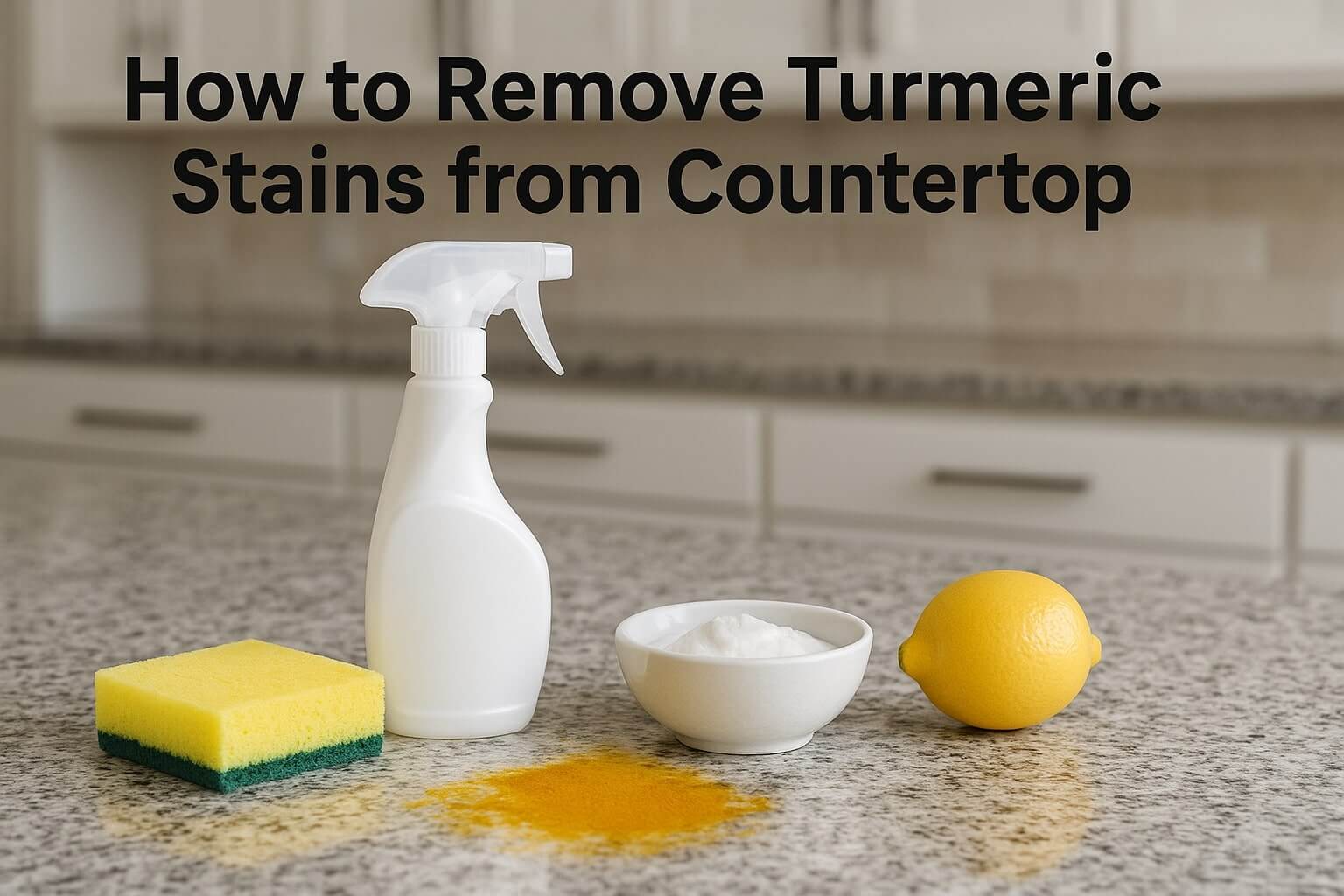
Turmeric stains on countertops and tabletops can usually be removed with simple household methods if treated quickly. A Baking Soda Paste works best as a first step—just mix baking soda with a little water, spread it over the stain, let it sit for 10–15 minutes, then scrub gently with a damp cloth before rinsing clean. If the stain has set in or is older, you can try Lemon Juice or Vinegar, which both help break down the yellow pigment, but always test a small hidden spot first to make sure the surface isn’t damaged. Many stains on benchtops can be lightened with these natural cleaners when used patiently and carefully.
For tougher or older marks that resist home remedies, a Magic Eraser can be effective at lifting stains without much effort, though it should be used cautiously on softer or glossy surfaces. In cases where the stain is particularly stubborn, a small amount of Denatured Alcohol may help dissolve it, but this too requires care, especially on delicate stone or wooden countertops. If none of these methods fully work, consider Other Tips like sealing stone surfaces to prevent future stains, wiping spills immediately, and avoiding abrasive cleaners that could scratch or dull your countertop. With the right method, even old turmeric stains can usually be removed and your surfaces restored.
Turmeric is celebrated in kitchens worldwide for its color, aroma, and health benefits—but it’s equally infamous for leaving stubborn yellow marks on countertops, tabletops, and even clothes. The staining happens almost instantly, and if not cleaned quickly, the pigment bonds to the surface, making removal more challenging. Understanding why turmeric stains occur and which countertop materials are most prone to damage helps you choose the right cleaning method and prevent long-term discoloration.
Turmeric contains a compound called curcumin, a natural pigment responsible for its bright yellow-orange hue. Curcumin is hydrophobic (it doesn’t dissolve easily in water) but binds strongly to porous materials. When it comes into contact with countertops, especially if mixed with oils or heat, it penetrates into tiny pores or surface textures, creating long-lasting stains.
Fresh turmeric marks are easier to clean because the pigment sits on the surface. However, once the stain sets, UV light from sunlight or kitchen lighting can oxidize the pigment, making the yellow color darker and more difficult to remove. That’s why older stains often need stronger solutions like Magic Erasers or Denatured Alcohol instead of simple soap and water.
Natural stones like granite and marble are highly porous. Even when sealed, turmeric can seep into micro-cracks, leaving yellow spots that may require repeated cleaning. Quartz, though marketed as stain-resistant, is also vulnerable—especially if turmeric paste or curry is left sitting for hours. Professional stone cleaners like Granite Gold Daily Cleaner (around $8–$10 at Home Depot or Amazon) are often recommended to maintain these surfaces without damage.
Laminate countertops are less porous than stone, but turmeric can still leave a faint shadow if not cleaned immediately. Wooden countertops, especially unfinished or lightly sealed ones, absorb turmeric quickly and can be very tricky to restore. Oiling or sealing wooden surfaces regularly can reduce the risk of deep staining.
Materials like stainless steel and Corian (solid-surface) countertops are much more resistant. While turmeric may leave a temporary film, it usually wipes away with baking soda paste or mild cleaners without permanent staining. These materials are popular in commercial kitchens for exactly this reason—easy maintenance.
👉 Key Takeaway: The more porous your countertop material, the faster turmeric stains set in and the harder they are to remove. Knowing your surface type helps you pick the safest and most effective cleaning method without risking scratches or chemical damage.
Turmeric stains can begin setting within minutes. If a spill is left untreated for more than 10–15 minutes, especially on porous surfaces like granite, marble, or wood, the yellow pigment begins to seep into the material. Once absorbed, stains become significantly harder to remove and may require stronger agents like hydrogen peroxide or denatured alcohol.
Surface Type: Porous materials absorb stains faster than non-porous ones.
Temperature: Warm or hot foods accelerate pigment penetration.
Oils in Food: Curries or pastes made with oil help curcumin bond more tightly to the surface.
Sunlight Exposure: UV rays can oxidize turmeric stains, making them darker and more permanent over time.
👉 Tip: Always treat turmeric spills as soon as they happen. The quicker the action, the easier the removal.
When turmeric is freshly spilled, the key is to act fast. A simple wipe with warm soapy water may be enough if done immediately. But if a yellow mark appears, these steps will prevent it from becoming a permanent stain.
Blot, Don’t Scrub:
Use a dry paper towel or a microfiber cloth to blot the spill. This lifts excess pigment without spreading it further. Scrubbing at this stage only pushes turmeric deeper into the surface pores.
Gentle Rinse:
After blotting, rinse the area with a little warm water and mild dish soap (brands like Dawn or Method, ~$3–$5 at Target or Walmart work well). Wipe in small circular motions using a soft cloth.
Avoid Abrasives Right Away:
Don’t rush for scouring pads or steel wool, as they can scratch polished stone or laminate surfaces, creating more spots where turmeric can lodge.
Mix 2–3 tablespoons of baking soda with a few drops of water to create a spreadable paste. Apply it to the stain, let it sit for 10–15 minutes, and wipe clean with a damp cloth. Baking soda’s mild abrasiveness lifts pigment without damaging most surfaces.
Both are natural acids that break down turmeric pigments. Dampen a cloth with fresh lemon juice or white vinegar (Heinz Distilled White Vinegar, ~$2 at Walmart) and gently rub the affected spot. Always test on an inconspicuous area first to avoid etching, especially on marble or granite.
If the stain is caught early, warm soapy water is often enough. Use a non-abrasive sponge with a few drops of dish soap to wipe clean. This works best on laminate, quartz, or stainless steel counters.
For slightly older stains that resist baking soda, a Mr. Clean Magic Eraser (around $5 for a pack of 2–4 at Amazon or CVS) can lift the yellow mark effectively. Use gently, especially on polished stone or glossy surfaces, to avoid dulling the finish.
👉 Key Takeaway: The faster you act, the fewer tools you’ll need. With quick blotting and simple household cleaners, most fresh turmeric stains can be removed before they become a long-term headache.
Turmeric stains can range from faint yellow shadows to deep-set marks depending on how long they’ve been left untreated and what type of countertop you have. Below are proven methods you can use—starting from the gentlest everyday approach to stronger solutions for stubborn stains.
If you catch the turmeric spill quickly, soap and warm water are often enough to clean it without harsh chemicals. This method works best for laminate, quartz, stainless steel, or sealed stone countertops.
Wipe away excess turmeric with a dry paper towel.
Mix a few drops of dish soap (like Dawn, ~$3 at Target) with warm water.
Use a microfiber cloth or non-abrasive sponge to gently scrub in circular motions.
Rinse with clean water and pat dry.
👉 Pro Tip: This method is safest for delicate surfaces like marble or granite because it avoids acids and abrasives.
Baking soda is mildly abrasive and alkaline, which helps lift the yellow curcumin pigment without scratching surfaces.
Mix 2 tablespoons of baking soda with a few drops of water to form a paste.
Apply the paste directly to the stain and let it sit for 10–15 minutes.
Gently scrub with a damp cloth or sponge.
Rinse with warm water and dry thoroughly.
Safe for most countertops but test on polished marble to ensure it doesn’t dull the shine.
Arm & Hammer Baking Soda (~$1.50 at Walmart) is perfect for this.
This method is effective for stains that don’t budge with soap or baking soda. Both vinegar and lemon juice are acidic, helping to break down turmeric pigments.
Mix equal parts white vinegar (Heinz, ~$2 at Walmart) or fresh lemon juice with warm water.
Dampen a soft cloth with the solution and gently rub the stain.
Rinse with clean water and dry immediately.
Avoid using acids on marble, granite, or quartz, as they can etch and dull the surface. This method is best for laminate, stainless steel, or solid-surface countertops like Corian.
Hydrogen peroxide is an oxidizing agent that breaks down organic pigments like turmeric. It’s particularly useful for older, set-in stains.
Pour a small amount of 3% hydrogen peroxide (around $1.50 at Walgreens) onto a cotton pad.
Place it on the stain and let it sit for 5–10 minutes.
Wipe gently with a cloth, rinse with warm water, and dry.
Always test on a hidden spot first, especially on natural stone.
Avoid prolonged contact with wood, as it can lighten the surface.
If natural methods don’t work, commercial cleaners can be effective—but you need to choose products carefully depending on your countertop material.
Bar Keepers Friend Soft Cleanser (~$6 at Home Depot): Great for quartz, stainless steel, and laminate surfaces.
Granite Gold Daily Cleaner (~$8–$10 at Amazon): Specifically formulated for granite, marble, and other natural stones.
Mr. Clean Magic Eraser (~$5 for a 2-pack at CVS): Effective for stubborn stains on non-porous surfaces, but use gently to avoid dulling finishes.
Apply according to the manufacturer’s instructions.
Always test in a hidden area before full application.
Rinse thoroughly with water and dry with a microfiber cloth.
👉 Key Takeaway: Start with the mildest method (soap or baking soda paste), and only move up to stronger solutions (vinegar, hydrogen peroxide, or commercial cleaners) if necessary. This prevents damage to your countertop while still tackling even the toughest turmeric stains.
Every countertop material reacts differently to turmeric. Some can handle stronger cleaners, while others require gentle care to prevent permanent damage. Below are targeted solutions for the most common countertop types.
Granite is a natural stone with tiny pores. Even when sealed, turmeric can seep into micro-cracks, leaving stubborn yellow stains.
Start with a Baking Soda Paste to gently lift the stain.
If needed, use hydrogen peroxide (3%), but never let it sit for more than 5–10 minutes to avoid dulling the shine.
Always rinse with water and dry immediately.
Granite Gold Daily Cleaner (~$8–$10 at Amazon or Home Depot) – safe for everyday cleaning.
Weiman Granite & Stone Cleaner and Polish (~$7 at Walmart) – helps restore shine after stain removal.
👉 Avoid: Vinegar, lemon juice, or other acidic cleaners—they will etch and permanently damage the surface.
Quartz is engineered stone, often advertised as stain-resistant, but turmeric can still discolor it—especially if spills sit too long.
Start with soap and warm water for fresh stains.
Use Baking Soda Paste for slightly tougher spots.
For stubborn stains, try a Magic Eraser (Mr. Clean, ~$5 for 2-pack at CVS), but rub gently to avoid dulling the finish.
Bar Keepers Friend Soft Cleanser (~$6 at Home Depot) – safe for quartz and very effective for turmeric stains.
Method Daily Granite & Marble Cleaner (~$6 at Target) – plant-based and gentle, good for daily upkeep.
👉 Avoid: Bleach or harsh chemicals, which can discolor or damage the resin binder in quartz.
Marble is highly porous and extremely sensitive to acids. Even a drop of lemon juice or vinegar can cause etching, making turmeric stains even harder to manage.
Dab the stain immediately with mild dish soap and warm water.
If needed, use a very gentle Baking Soda Paste, but do not scrub aggressively.
For set-in stains, consider a professional-grade poultice (a paste designed to draw stains out of stone).
Stone Care International Marble Cleaner (~$10 at Lowe’s) – formulated specifically for marble.
Granite Gold Poultice Paste (~$20 at Amazon) – effective for deep, set-in stains.
👉 Avoid: Vinegar, lemon juice, and hydrogen peroxide—they can etch marble permanently.
Laminate is less porous than natural stone, so turmeric stains usually sit on the surface. However, prolonged stains can still leave a faint shadow.
Start with soap and warm water.
Use a Baking Soda Paste if the stain lingers.
For older stains, a Magic Eraser works well without damaging the laminate surface.
409 Multi-Surface Cleaner (~$4 at Walmart) – safe for laminate and effective on food stains.
Lysol All-Purpose Cleaner (~$4 at Target) – disinfects while cleaning turmeric spots.
👉 Avoid: Abrasive scrubbing pads, which can scratch laminate and make future stains harder to clean.
Wood is one of the most porous materials, and turmeric can penetrate deep into the grain. Stains can be very difficult to remove once absorbed.
For fresh stains, blot with warm soapy water immediately.
Apply a Baking Soda Paste sparingly, scrub lightly, and wipe clean.
For stubborn stains, lightly sand the area with fine-grit sandpaper, then reseal with mineral oil or a wood-safe sealer.
Howard Butcher Block Conditioner (~$9 at Amazon) – conditions and protects wood surfaces.
John Boos Mystery Oil (~$10 at Williams-Sonoma) – keeps wooden countertops sealed and less prone to staining.
👉 Avoid: Excess water or acidic cleaners, as they can warp or damage wood. Always reseal after deep cleaning.
👉 Key Takeaway: The right cleaning method depends heavily on the type of countertop. Granite and marble need extra caution, quartz and laminate are easier to handle, and wood often requires resealing. Always test cleaners in a hidden area before full use.
Even with the right cleaners at hand, many people accidentally make turmeric stains worse by using the wrong technique or product. Below are the most common mistakes to avoid if you want to safely restore your countertops without damaging them.
Scrubbing with steel wool, scouring pads, or gritty powders may seem like the fastest way to get rid of a stubborn yellow mark, but they can scratch and dull delicate surfaces like granite, marble, quartz, and laminate. These scratches create tiny crevices where future stains can settle, making the surface harder to maintain.
Use a microfiber cloth or a non-abrasive sponge for daily cleaning.
For mild abrasion, stick to Baking Soda Paste—it’s gentle enough for most surfaces when used sparingly.
If you need extra power, try a Mr. Clean Magic Eraser (~$5 for a 2-pack at CVS), but only on non-porous surfaces like quartz, laminate, or stainless steel.
👉 Avoid brands marketed as heavy-duty scrubs (like Brillo Pads) on stone or glossy countertops.
It’s tempting to “double up” on cleaners for faster results, but mixing chemicals can be dangerous. For example:
Bleach + Vinegar → Produces toxic chlorine gas.
Bleach + Ammonia → Creates harmful chloramine fumes.
Hydrogen Peroxide + Vinegar → Forms peracetic acid, which is corrosive.
These mixtures don’t just risk your health—they can also etch or discolor countertops permanently.
Stick to one cleaner at a time.
Rinse thoroughly with water before switching to a different solution.
If you need a commercial product, try safe, single-purpose cleaners like Granite Gold Daily Cleaner (~$8 at Amazon) for stone or Bar Keepers Friend Soft Cleanser (~$6 at Home Depot) for quartz and stainless steel.
👉 Always read the manufacturer’s instructions on both the cleaner and your countertop’s care guide.
Turmeric stains can set within minutes. If left for hours—or worse, days—the pigment penetrates deeper into porous materials, making it almost impossible to remove with mild cleaners. At this point, you may need strong oxidizers like hydrogen peroxide or even professional-grade poultices.
Act immediately: Blot spills the moment they happen, before scrubbing.
Keep essentials nearby: Store a box of Arm & Hammer Baking Soda (~$1.50 at Walmart) or a small bottle of white vinegar (~$2 at Walmart) in your kitchen for quick first aid.
For stone surfaces, keep a bottle of Granite Gold Daily Cleaner handy so you can neutralize stains right away without damaging the seal.
👉 The longer you wait, the higher the chance you’ll need costly professional help to restore your countertops.
Turmeric is vibrant and powerful—great for cooking, but a nightmare for countertops if not handled carefully. While cleaning methods exist, prevention is always easier than stain removal. By using protective tools, sealing porous surfaces, and developing quick cleanup habits, you can keep your kitchen surfaces looking brand-new.
Most turmeric stains occur during food prep—chopping vegetables, mixing curry bases, or sprinkling turmeric powder. Using countertops directly as prep space exposes them to direct contact with turmeric oils and pigments.
Always use a cutting board when chopping or mixing turmeric-heavy dishes.
Place silicone mats or plastic trays under pots and pans that contain turmeric sauces to prevent drips and splatters.
For baking or grinding spices, a silicone pastry mat (around $10–$15 at Amazon) is washable and stain-resistant, making cleanup effortless.
👉 Pro Tip: Avoid wooden cutting boards for turmeric prep, as they absorb stains just like wooden countertops.
Granite, marble, and other natural stones are highly porous. Without proper sealing, turmeric stains seep deep into the pores, becoming almost impossible to remove. A good sealant acts as a protective barrier, making the surface more resistant to stains.
Clean the countertop thoroughly with a stone-safe cleaner.
Apply a high-quality stone sealer using a microfiber cloth.
Let it sit for 15–20 minutes, then buff off the excess.
Re-seal every 6–12 months, depending on usage.
TriNova Granite Sealer & Protector (~$20 at Amazon) – easy spray-and-wipe application.
Weiman Granite & Stone Sealer (~$15 at Walmart) – affordable and widely available.
👉 Pro Tip: Always check with your countertop manufacturer for specific sealing guidelines to avoid voiding warranties.
The faster you address a turmeric spill, the easier it is to remove. Even sealed surfaces and resistant materials like quartz can develop stains if turmeric sits too long.
Wipe immediately: Keep microfiber cloths and mild dish soap (Dawn, ~$3 at Target) nearby to blot spills as soon as they happen.
End-of-day check: Before going to bed, quickly scan your countertops for yellow spots or splatters.
Keep a “stain kit”: Store a small jar of baking soda, a bottle of white vinegar, and a box of Mr. Clean Magic Erasers (~$5 at CVS) in your kitchen for quick access.
👉 Pro Tip: Train yourself and family members to never leave turmeric-based dishes or utensils sitting directly on countertops overnight.
🔑 Key Takeaway: Prevention is the best cure for turmeric stains. By using cutting boards, sealing stone surfaces, and building quick cleanup habits, you’ll save yourself time, effort, and the cost of professional restoration.
For households that prefer green cleaning methods or want to avoid harsh chemicals, natural ingredients can be surprisingly effective against turmeric stains. While they may take a little more effort compared to commercial cleaners, these solutions are safer for children, pets, and the environment—all while being budget-friendly.
Lemon juice contains natural citric acid, which helps break down turmeric’s curcumin pigment, while salt acts as a mild abrasive to scrub away surface-level stains. Together, they form a powerful eco-friendly cleaner.
Sprinkle a generous layer of table salt (any brand, ~$1 at Walmart) directly onto the stain.
Cut a fresh lemon in half and squeeze a few drops of juice over the salt.
Use the lemon half itself as a scrubber, moving in small circles.
Let the mixture sit for 5–10 minutes, then wipe with a damp microfiber cloth.
Rinse thoroughly with warm water and dry.
Works well on laminate countertops and stainless steel surfaces.
Use with caution on granite or marble, as the acid may etch the surface if left too long.
👉 Pro Tip: For extra eco-friendliness, you can repurpose leftover lemons from cooking or juicing instead of throwing them away.
When combined, white vinegar (acidic) and baking soda (alkaline) create a fizzy reaction that helps lift stains from surfaces. The mild foaming action loosens turmeric pigment, making it easier to wipe away.
Sprinkle baking soda (Arm & Hammer, ~$1.50 at Walmart) directly on the stain.
Spray or pour a small amount of white vinegar (Heinz Distilled, ~$2 at Walmart) on top.
Allow the fizzing reaction to work for 5–10 minutes.
Gently scrub with a non-abrasive sponge or microfiber cloth.
Rinse thoroughly with warm water and dry.
Safe for laminate, quartz, stainless steel, and solid-surface (like Corian) countertops.
Avoid using on marble or granite, as repeated vinegar exposure may dull or etch the stone.
👉 Pro Tip: Keep a spray bottle of diluted vinegar (50% vinegar + 50% water) under your sink for quick eco-friendly cleaning of turmeric spills and general kitchen messes.
🔑 Key Takeaway: Natural cleaners like salt + lemon and vinegar + baking soda are effective, safe, and eco-friendly ways to tackle turmeric stains. However, always test a small hidden spot first—especially on delicate stone surfaces—to ensure they don’t cause etching or dullness.
While learning how to remove turmeric stains is important, it’s equally useful to understand the variety of counter top materials and finishes available. The right surface not only enhances the look of your kitchen but also impacts how easily stains can be removed and prevented.
A durable kitchen counter top plays a central role in stain resistance. Materials like quartz and granite are popular for modern kitchens, while more unique designs—such as Jerusalem stone countertops—offer both character and durability. If you’re considering a stylish upgrade, options like a drop edge countertop can add visual depth and sophistication to your cooking space.
Countertops aren’t the only place where natural stone is appreciated. For homeowners interested in architectural details, a residential staircase granite design brings elegance to interiors, while threshold marble offers both durability and a refined entryway finish. Choosing the right stone can unify your home design while also making cleaning and maintenance more predictable.
When upgrading your kitchen or home interiors, having a trusted design partner is essential. A web designer in Victor Harbor, for example, might help you build an online portfolio to showcase your renovation project or connect with suppliers and contractors digitally. This makes the process of selecting the perfect countertop or stone feature even smoother.
Of course, renovations and design often go hand-in-hand with logistics. If you’re planning to visit stone suppliers or carry large samples, transportation becomes important. Services such as a 14 seater van for rent in Dubai without driver are convenient for family or group trips, while bus rental in Ajman offers practical mobility for larger groups—whether for business, design tours, or events.
🔑 Key Takeaway: From selecting the perfect countertop to adding elegant touches like stone staircases and thresholds, your choices influence both aesthetics and maintenance. Partnering with the right professionals and planning logistics wisely ensures that your investment in surfaces like marble, granite, or Jerusalem stone will remain beautiful and easy to care for—even against tough turmeric stains.
Turmeric stains can be removed depending on how fresh they are:
Fresh stains: Use soap and warm water with a soft cloth.
Mild stains: Apply a baking soda paste (baking soda + water), leave for 10–15 minutes, then wipe clean.
Older stains: Try hydrogen peroxide (on non-porous surfaces) or a Magic Eraser for laminate and quartz.
👉 Always test on a hidden spot before applying any cleaner.
Yes, but they require stronger solutions. Old stains have penetrated deeper into the surface, so:
Use hydrogen peroxide on quartz, laminate, and stainless steel.
For natural stone (granite or marble), apply a poultice paste like Granite Gold (~$20 at Amazon).
On wood, light sanding followed by resealing may be needed.
If DIY methods fail, professional restoration services are the safest option.
Yes, white vinegar is effective, but only on certain surfaces:
✅ Works well on laminate, stainless steel, and solid-surface countertops (like Corian).
❌ Avoid on granite, marble, and quartz, as the acid can cause etching.
To use:
Mix equal parts vinegar and warm water.
Apply with a cloth and gently rub.
Rinse immediately with water.
Not always. The outcome depends on:
Surface type: Porous surfaces like marble, wood, and granite absorb stains faster.
Response time: Quick action prevents permanent marks.
Cleaning method: Gentle cleaners usually work, but old stains may need professional treatment.
With the right method, most turmeric stains can be lightened or removed completely.
The process is similar to countertops:
For wood tabletops: Blot with soapy water, then sand lightly if the stain has set.
For glass tabletops: Use vinegar and baking soda for quick cleaning.
For stone tabletops: Stick to stone-safe cleaners and avoid acids.
👉 Cover tabletops with mats or coasters when serving turmeric-heavy dishes.
General stain removal tips:
Baking Soda Paste: Best all-around method for mild stains.
Lemon Juice or Vinegar: Effective on non-stone surfaces.
Hydrogen Peroxide: Useful for deep stains on quartz and laminate.
Commercial Cleaners: Choose surface-specific ones like Bar Keepers Friend (quartz/laminate) or Granite Gold (stone).
Prevent future stains by sealing porous surfaces and cleaning spills immediately.


Counterstops offers custom kitchen worktops, slabs, and countertop solutions with delivery across Dubai and the UAE.
