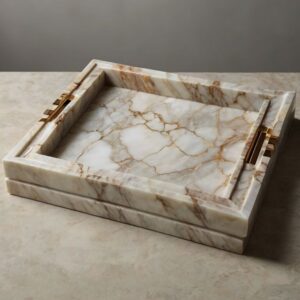
Shop 3 drawer desk organizer

A 3 drawer desk organizer is the perfect solution for decluttering your workspace with style. Ideal for storing stationery, documents, gadgets, or craft supplies, these compact organizers help keep everything in reach and neatly arranged. Prices typically range from AED 50–200, depending on materials (plastic, metal mesh, acrylic) and added features like sliding trays, dividers, or stackability.

At CounterStops.com, we offer expert supply and installation of premium stone for kitchens and offices—but we also appreciate practical workspace accessories. Whether you’re outfitting your office in Dubai or your home study in Sharjah, we can help you choose a 3‑drawer desk organizer that complements your space:

  • Plastic stackable units: lightweight, budget-friendly (≈ AED 60–120)

  • Wire mesh or metal trays: sturdy and modern (≈ AED 100–200)

  • Modular multi-layer trays: versatile storage (≈ AED 120–180)

Stay organized, boost productivity, and add a clean, professional look to your desk.

Discount up to 30% for your first purchase.

Make your first purchase count—choose a quality countertop today and get up to 30% discount instantly.

Featured

Most Popular Questions.

Find quick answers to the most common questions about our marble and countertop products, pricing, and delivery.

  • Marble: Elegant veining, great for luxury looks. Softer than granite/quartzite, can etch from acids (lemon/vinegar) and may scratch. Best for low-to-medium traffic areas or clients who accept natural patina.

  • Travertine: A type of limestone with natural holes/pores (often filled). More porous, needs sealing and gentle care. Popular for bathrooms, feature walls, floors.

  • Onyx: Very dramatic and often translucent (can be backlit). It’s one of the most delicate stones—more prone to scratching/etching—best for feature walls, vanities, low-use tops.

  • Granite: Generally very durable, good scratch/heat resistance, typically less prone to etching than marble. Still benefits from sealing depending on the slab.

  • Quartzite (natural): Often the best mix of beauty + toughness—high scratch resistance and good heat resistance. Usually better than marble for kitchens.

  • Engineered Quartz: Man-made (quartz + resins). Very consistent patterns, low porosity, usually doesn’t need sealing. Not as heat-proof as granite/quartzite (hot pans can damage resin).

  1. For most kitchens, top picks are:

  • Quartzite (natural): Strong against scratches and heat; great for heavy cooking. Seal it to resist stains.

  • Granite: Very kitchen-friendly, handles heat well, good durability; sealing depends on porosity.

  • Engineered Quartz: Excellent stain resistance and easy maintenance; avoid placing hot cookware directly on it (use trivets).

  • Marble / Travertine / Limestone: Usually yes. Often every 6–12 months in kitchens; bathrooms may be less frequent depending on use.

  • Granite: Sometimes yes, sometimes no—depends on the slab’s porosity. Many need sealing every 1–3 years.

  • Quartzite: Usually yes, often 1–2 years depending on usage.

  • Onyx: Typically yes (and careful daily use).

  • Engineered Quartz: No sealing in most cases.
    Tip: Do a quick water test—if water darkens the stone after 10–15 minutes, it’s time to reseal.

  • Daily cleaning: Use a pH-neutral stone cleaner or mild dish soap + water, then wipe dry.

  • Avoid: Vinegar, lemon, bleach, ammonia, harsh bathroom/kitchen sprays, abrasive pads, and powdered cleaners—these can etch or dull surfaces (especially marble/onyx/travertine).

  • For spills: Blot immediately (don’t wipe in circles), rinse, then dry.

  • For stains: Use a stone-safe poultice (especially for oil/coffee/wine) rather than harsh chemicals.

Pricing changes based on:

  • Stone type & rarity: Onyx and premium marbles often cost more than standard granite/travertine.

  • Grade/selection: More uniform color, bold veining, or fewer imperfections usually increases price.

  • Slab size & thickness: Larger/thicker slabs cost more; thicker edges may add fabrication cost.

  • Finish: Polished/honed/leathered can differ in cost and availability.

  • Fabrication details: Cutouts (sink/hob), edge profiles, waterfall sides, mitred edges, and backsplashes increase labor.

  • Installation & transport: Site access, staircase carry, crane/lift needs, and long distances can affect totals.